Guide d'utilisation des lingettes pour bébé automne-hiver
- Avec la baisse progressive des températures en novembre, les soins pour nourrissons entrent dans un nouveau cycle saisonnier. Durant cette période, les lingettes pour bébé, parmi les produits les plus utilisés au quotidien, jouent un rôle crucial en influençant directement la santé de la peau de bébé et en fidélisant les utilisateurs aux marques de soins.Pour appuyer cette démarche, nous avons compilé le *Guide d'utilisation scientifique des lingettes pour bébé sur 24 heures* afin d'aider nos partenaires industriels à améliorer leurs systèmes de service à la clientèle et à optimiser l'expérience client et la fidélité à la marque.Nettoyage du matin : la première étape des soins quotidiens de la peauAprès une bonne nuit de sommeil, les soins du matin sont particulièrement importants. Il est recommandé aux parents d'utiliser des lingettes spécialement conçues pour les bébés lors du change. Utilisez une quantité suffisante de lingettes et nettoyez délicatement de l'avant vers l'arrière, en insistant sur ce sens pour les petites filles afin de réduire les risques d'infection.Les lingettes de haute qualité doivent être fabriquées à partir de matériaux en tissu non tissé doux et fin et formulées avec des ingrédients doux au pH équilibré afin de réduire les frottements lors du nettoyage, aidant ainsi les bébés à bien commencer leur journée.Guide d'utilisation spécifique à chaque étape pour répondre aux divers besoins de croissanceStade nouveau-né (0–3 mois)Durant cette phase, la barrière cutanée de bébé est extrêmement fragile et le film protecteur n'est pas encore complètement formé. Il est recommandé d'utiliser des lingettes à l'eau pure, sans alcool, sans parfum et sans azurants optiques, à chaque change afin d'éviter les irritations dues aux résidus.Stade du nourrisson (4 à 12 mois)À mesure que les bébés deviennent plus actifs, les situations de nettoyage se diversifient : après la tétée, après avoir transpiré pendant leurs activités ou au réveil de la sieste. L’épaisseur et la résistance des lingettes sont alors essentielles. Les lingettes de qualité doivent être fabriquées selon un procédé de superposition de couches afin de garantir qu’elles ne se déforment pas et ne peluchent pas à l’usage.Stade du tout-petit (13 mois et plus)Avec l'augmentation des déplacements, la fréquence du lavage des mains et du visage s'accroît considérablement. Les lingettes désinfectantes portables deviennent alors indispensables pour une utilisation nomade, permettant de maintenir une bonne hygiène dans diverses situations.❌ Démystifier les idées reçuesIdée fausse n° 1 : « La seule fonction des lingettes est de nettoyer. »En réalité, le pouvoir nettoyant n'est que le minimum requis. Les lingettes de qualité doivent non seulement nettoyer efficacement, mais aussi contenir des agents hydratants naturels pour former une barrière protectrice sur la peau, offrant ainsi des bienfaits à la fois nettoyants et nourrissants.Idée fausse n° 2 : « On peut chauffer les lingettes par temps froid »Un chauffage répété peut déstabiliser les principes actifs des lingettes. Pour plus de confort, plongez brièvement une seule lingette dans de l'eau tiède, en évitant de chauffer tout le paquet afin de préserver la formule.Idée fausse n° 3 : « Toutes les lingettes sont interchangeables »Les lingettes doivent avoir des formulations différentes selon les situations. Il est conseillé de les classer en différentes catégories, comme le nettoyage quotidien, l'hygiène des mains et de la bouche, et les soins pour peaux sensibles, afin de répondre aux divers besoins des utilisateurs et d'augmenter la fréquence de rachat.Points forts d'un système de soins professionnelsDoux pour la peauGrâce à une technologie de tissu non tissé hydro-enchevêtré associée à des extraits de plantes naturelles, ces lingettes nourrissent la peau tout en la nettoyant, réduisant efficacement les rougeurs et la sensibilité tout en améliorant le confort.Épais et durableConçue avec des matériaux plus épais et un taux d'humidité modéré, une seule feuille assure un nettoyage en profondeur, améliorant la satisfaction de l'utilisateur et contribuant à une image de marque professionnelle.Pur et sûrRespectant scrupuleusement les normes d'hygiène des produits pour nourrissons, ces lingettes sont exemptes d'alcool, d'azurants optiques, de colorants, de formaldéhyde, de parabènes et de parfums, garantissant ainsi que chaque lingette est sûre et fiable.Conseils de professionnels pour une expérience de service amélioréeConsignes de stockageLes lingettes doivent être conservées dans un endroit frais et sec. Refermez rapidement l'emballage après utilisation afin d'éviter la perte d'humidité et la contamination bactérienne, et ainsi préserver les propriétés optimales du produit.Gestion des réactions cutanéesEn cas de rougeurs cutanées chez le bébé, réduisez temporairement l'utilisation des lingettes et rincez-le à l'eau tiède. Reprenez ensuite progressivement l'utilisation de lingettes douces et sans parfum pour favoriser la guérison de la peau.
Votre marque, notre expertise. Lingettes humides complètes. OEM/ODM
- Vous recherchez un partenaire de fabrication fiable pour vos lingettes humides ? Nous sommes spécialisés dans les services OEM et ODM complets, transformant votre vision en un produit fini grâce à un accompagnement de bout en bout.Service OEM : Vos spécifications, notre fabrication de précisionNous respectons scrupuleusement vos formules, spécifications et exigences de conception. Chaque lingette est fabriquée sur mesure pour répondre précisément aux normes de votre marque. Nos systèmes de production éprouvés et notre contrôle qualité rigoureux constituent un maillon fiable de votre chaîne d'approvisionnement.Service ODM : Collaboration complète, du concept au produitTirez parti de nos capacités de R&D indépendantes et de notre vaste bibliothèque de formules éprouvées. Que vous ayez besoin d'une fonction spécifique, d'inspiration pour des catégories de produits tendance ou de formats innovants, notre équipe vous propose des solutions expertes pour transformer efficacement vos idées en produits prêts à être commercialisés.Nous savons que chaque lingette véhicule la promesse de votre marque auprès du consommateur. En nous choisissant, vous optez pour le professionnalisme, l'efficacité et la fiabilité. Travaillons ensemble pour créer le prochain produit phare du marché.
Lingettes pour bébé douces de qualité supérieure - Conseils essentiels pour prendre soin de bébé par temps frais
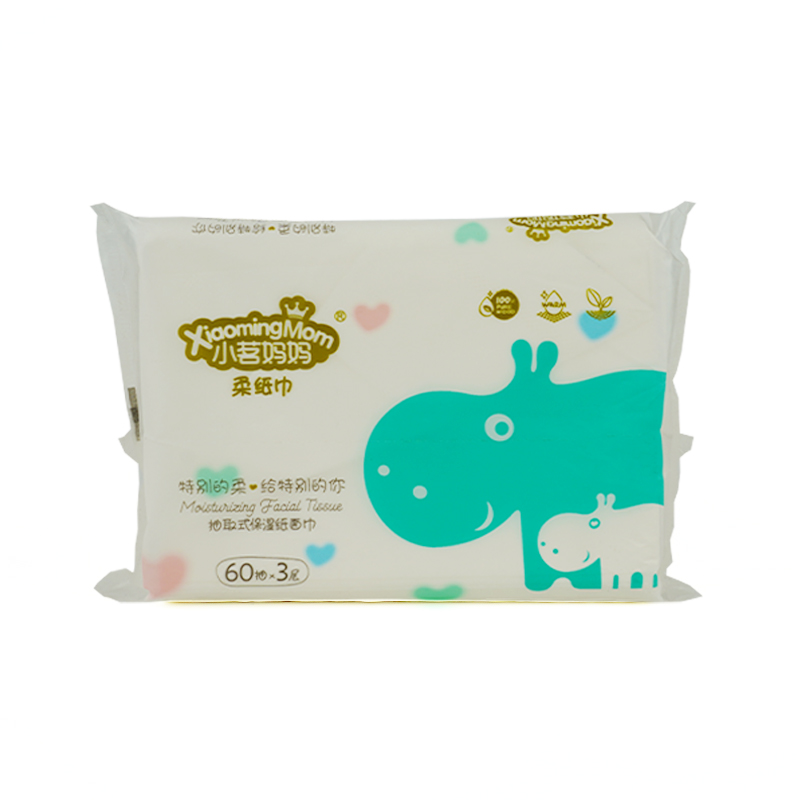
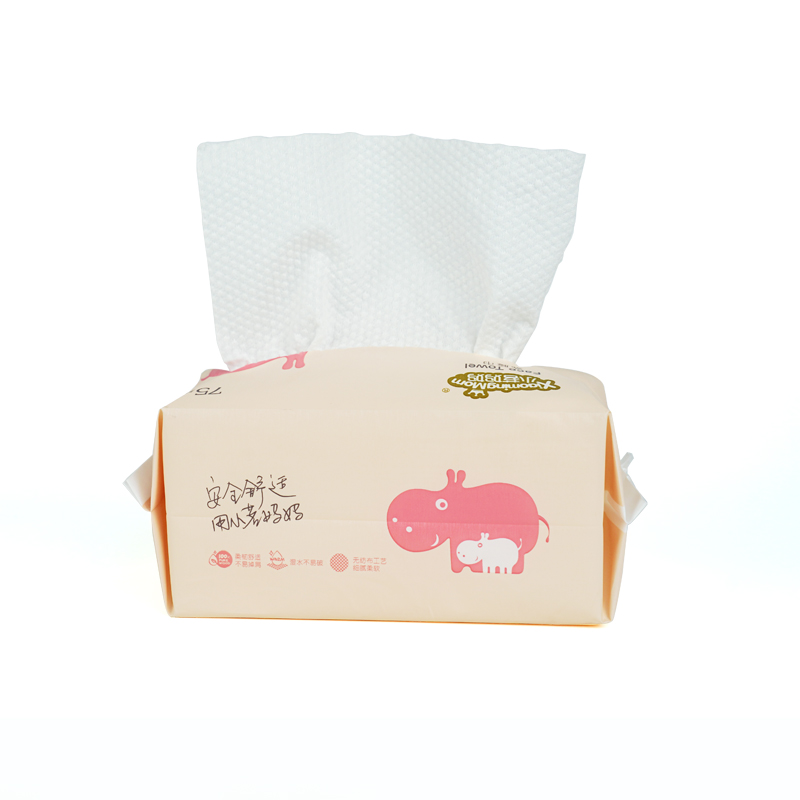
- Les soins de la peau des nourrissons sont une priorité pour toutes les familles, surtout lorsque les températures baissent et que les bébés portent des vêtements plus épais, ce qui rend leur peau plus délicate. À ce moment-là, choisir un produit nettoyant doux, efficace et respirant est primordial : non seulement pour préserver la santé de la peau, mais aussi pour simplifier le quotidien.Une expérience de nettoyage douce conçue pour les nourrissonsCouche de surface douce comme un nuage : Fabriquée en tissu non tissé de haute qualité, elle offre un toucher délicat et doux, comme un nuage léger, épousant parfaitement la peau fragile de bébé tout en assurant une protection douce pendant le nettoyage.Surface de nettoyage texturée : Sa conception améliore l'efficacité du nettoyage, épousant délicatement les courbes de la peau pour réduire les frottements lors de l'utilisation, garantissant ainsi confort et sérénité à chaque passage.Doux et rafraîchissant, sans effet collantFormule douce à base d'eau pure : Sa composition pure et douce, sans alcool, sans parfum et sans irritants, la rend idéale pour nettoyer le visage, les mains et les fesses de bébé, laissant la peau fraîche et non collante.Hydratation instantanée : Après application, la peau reste douce et hydratée, contribuant à maintenir l'équilibre de la barrière cutanée naturelle et à réduire la sécheresse et l'inconfort.Emballage pratique et portableMatériau épais et durable : les lingettes sont douces mais résistantes, indéchirables et ne peluchent pas. Faciles à prendre d’une seule main, elles sont pratiques pour les soignants dans diverses situations.Conception à fermeture sécurisée : Maintient efficacement l’humidité des lingettes, prévient la contamination et assure un accès facile, que ce soit à la maison, dans les garderies ou en déplacement.Conseils essentiels pour prendre soin des nourrissons par temps fraisHydrater pour prévenir le dessèchement : Par temps sec, il est recommandé d’appliquer une crème hydratante douce sur la peau de bébé après le nettoyage, en particulier sur les zones sujettes à la sécheresse comme les fesses et les joues, afin de retenir l’hydratation et de prévenir les irritations cutanées.Méthodes de nettoyage douces : Lors du change ou du nettoyage de la peau, essuyez délicatement avec de l’eau tiède et un linge doux ou des lingettes non coupantes, en évitant les frottements répétés. Assurez-vous que la peau soit parfaitement sèche avant d’habiller bébé.Activité et repos équilibrés : Lorsque les bébés sont bien couverts, intégrez des caresses douces ou des étirements à votre routine quotidienne pour favoriser la circulation sanguine. Assurez-vous de siestes diurnes et d’un sommeil nocturne suffisants pour renforcer leur système immunitaire.Maintenir un environnement calme et joyeux : la stabilité émotionnelle du soignant et une atmosphère familiale détendue contribuent à apaiser le bébé, réduisant ainsi les pleurs dus à l’inconfort et facilitant les soins quotidiens.Nous nous engageons à fournir des produits de nettoyage et de soins pour bébés sûrs, doux pour la peau et efficaces. Nous avons hâte de collaborer avec les structures d'accueil de la petite enfance, les plateformes dédiées à la maternité et à l'enfance, ainsi que les détaillants, afin d'offrir des expériences de soins professionnelles et rassurantes à un plus grand nombre de familles.
Soins de bébé en hiver : Problèmes courants liés aux lingettes humides et solutions professionnelles
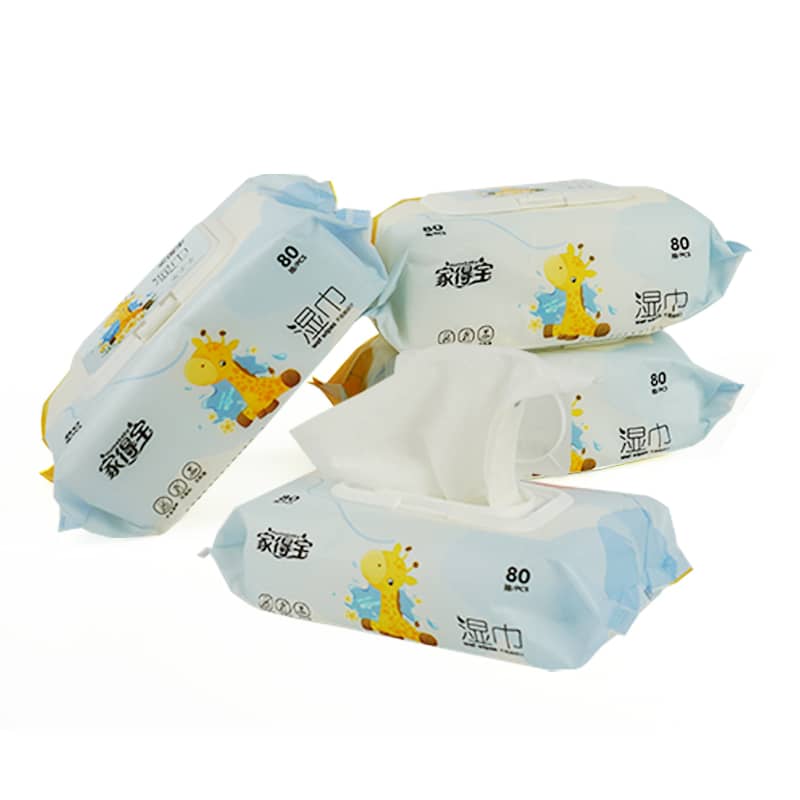
- Avec la baisse des températures, de nombreux parents rencontrent de nouveaux défis pour les soins quotidiens de leur bébé : les lingettes humides classiques peuvent devenir désagréablement froides, irriter la peau délicate de leur enfant ou ne pas être suffisamment résistantes pour un nettoyage efficace. En réalité, ces problèmes d’utilisation ne sont souvent pas de simples défauts de fabrication, mais peuvent être liés aux conditions d’utilisation, au mode de conservation et à la conception même des lingettes.Pourquoi les lingettes humides sont-elles moins performantes en hiver ?En hiver, l'écart de température important entre l'intérieur et l'extérieur peut entraîner un refroidissement rapide des lingettes standard conservées à température ambiante, provoquant une sensation d'inconfort au contact de la peau de bébé. De plus, les vêtements épais peuvent rendre le nettoyage des plis cutanés plus difficile. Si les lingettes ne sont pas suffisamment douces et résistantes, leur efficacité de nettoyage peut être compromise, ce qui soulève parfois des questions quant à la qualité du produit.Quatre facteurs clés influençant la performance des lingettes humides en hiverÉquilibre entre matière et épaisseurDe nombreux parents pensent que « plus épais signifie plus résistant », mais des lingettes trop épaisses peuvent manquer de souplesse et mal épouser les plis de la peau. Des lingettes de qualité doivent être solides et indéchirables, tout en restant douces et respectueuses de la peau, avec un minimum de peluches et de déchirures.Sécurité de la formulation des ingrédientsEn hiver, la peau a tendance à devenir plus sèche et plus sensible, et les nettoyants classiques peuvent l'assécher en éliminant trop de sébum. Privilégiez les formules enrichies en agents hydratants naturels (comme l'extrait de calendula, la vitamine E, etc.) pour préserver la barrière cutanée et prévenir les rougeurs et la sécheresse après utilisation.Teneur en humidité et technologie de verrouillageCertaines lingettes peuvent être insuffisamment humides ou perdre leur humidité trop rapidement, ce qui réduit leur efficacité en milieu sec. Les lingettes idéales doivent être uniformément imbibées et bien retenir l'humidité, conservant un niveau d'humidité adéquat même après plusieurs ouvertures et fermetures de l'emballage.Conception de l'emballage et intégrité du scellageEn hiver, le chauffage intérieur, trop sec, peut dessécher les lingettes si l'emballage n'est pas parfaitement étanche. Il est recommandé d'utiliser un emballage avec un couvercle refermable et une fermeture adhésive. N'oubliez pas de rappeler aux parents de bien appuyer sur la fermeture après chaque utilisation.Principales caractéristiques de conception des lingettes humides adaptées à l'hiverAllier nettoyage doux et hydratationAu-delà du pouvoir nettoyant, il convient de privilégier l'équilibre du pH et des formules respectueuses de la peau. Par exemple, l'utilisation d'un support en fibres végétales naturelles associé à une lotion hydratante de qualité cosmétique peut déposer une couche protectrice sur la peau, atténuant ainsi la sécheresse hivernale.Confort d'utilisation à basse températureLes technologies des matériaux et la conception de l'emballage peuvent améliorer l'expérience utilisateur : par exemple, une structure en tissu non tissé hydro-enchevêtré à trois couches offre douceur et durabilité ; l'ajout de glycérine naturelle ou de xylitol peut réduire la sensation de froid lors de l'essuyage à basse température.Emballage pratique et portable avec de bonnes fermeturesLes grands paquets de lingettes peuvent être encombrants à transporter en extérieur l'hiver et risquent de refroidir rapidement. Il est conseillé de recommander un paquet de 80 lingettes pour la maison et un paquet de 20 lingettes pour les voyages. Ce dernier peut être fabriqué en film d'aluminium épais pour une meilleure isolation et une étanchéité optimale.Conseils d'utilisation des lingettes humides en hiver pour les parentsConservez les lingettes dans un endroit frais et sec, à l'abri des sources de chaleur directe ;Lors de vos sorties, gardez le sac de voyage dans une poche intérieure pour éviter un refroidissement excessif ;Pour nettoyer les plis cutanés, appuyez doucement au lieu de frotter d'avant en arrière ;Si la peau du bébé est déjà sèche, appliquez ensuite une crème hydratante pour bébé.Quand faut-il envisager de changer de lingettes humides ?Si les parents signalent les éléments suivants, il est peut-être temps de recommander un produit mieux adapté aux besoins hivernaux :Rougeurs ou sécheresse notables après s'être essuyé(e) ;Les lingettes sèchent trop vite après utilisation ;Pouvoir nettoyant insuffisant, nécessitant des essuyages répétés.Vous recherchez des lingettes pour bébé vraiment adaptées à l'hiver ?Nous sommes spécialisés dans le développement et la fabrication de lingettes pour bébés alliant efficacité de nettoyage, hydratation et confort d'utilisation. Nous pouvons fournir des produits adaptés aux besoins de nos clients.Plusieurs options de substrat (coton naturel, fibre de bambou, non-tissé hydro-enchevêtré, etc.)Formules de soins de la peau personnalisées (hypoallergéniques, hydratantes, nourrissantes pour la peau, etc.)Solutions d'emballage souples (emballages pour la maison, emballages de voyage, emballages à pliage unique, etc.)Installations de production et systèmes de contrôle de la qualité conformes aux normes internationalesSi vous êtes un détaillant, une marque de produits pour la maternité et l'enfance ou un distributeur à la recherche de lingettes humides qui améliorent l'expérience utilisateur en hiver, n'hésitez pas à nous contacter pour obtenir des échantillons et des propositions de partenariat.📩 Les demandes de renseignements concernant la coopération OEM/ODM, la personnalisation des produits et les détails des achats en gros sont les bienvenues.
Votre usine de lingettes fiables, stériles, personnalisables et évolutives
- À l'approche de l'hiver, la demande en soins pour bébés explose, vous offrant une opportunité idéale de développer des gammes de lingettes humides à forte valeur ajoutée. En tant que fabricant, nous proposons aux distributeurs et grossistes des solutions de fabrication de lingettes humides très compétitives. Choisir de collaborer directement avec nous, c'est bien plus qu'un simple paquet de lingettes : c'est la garantie d'une rentabilité durable et d'une position de leader sur le marché, grâce à la capacité de production robuste de notre usine, à un contrôle qualité rigoureux et à un service après-vente flexible. Notre atelier stérile entièrement automatisé assure une qualité constante et fiable pour chaque lingette, des fibres végétales biodégradables à nos formules fonctionnelles « anti-irritations », tout en vous proposant un prix plus compétitif. Nous comprenons les besoins des partenaires B2B et offrons une personnalisation flexible : conception d'emballage, ajustements de taille ou modifications de formule adaptées aux spécificités hivernales, comme l'hydratation et la régulation de la température. Nous sommes réactifs pour vous aider à créer des produits de marque privée différenciés. En 2026, travaillons ensemble pour un succès partagé. Forts de la solidité de notre usine, partenaire de confiance pour votre chaîne d'approvisionnement, nous saisirons ensemble les opportunités offertes par le marché hivernal. N'hésitez pas à nous contacter à tout moment pour un plan de coopération personnalisé et des échantillons de produits.
Comment choisir un fabricant fiable de lingettes pour bébé pour une production en gros
- Si vous gérez une entreprise de vente en gros de produits maternels et infantiles, un magasin transfrontalier ou une marque de distributeur, les lingettes pour bébés font sans aucun doute partie de vos produits phares à rotation rapide, avec une demande stable et des taux de réachat élevés.Cependant, de nombreux acheteurs rencontrent des problèmes récurrents : qualité inégale des lots, formules irritantes provoquant des plaintes de consommateurs, retards de livraison ou fabricants incapables de proposer des emballages personnalisés. Choisir le bon fabricant a un impact direct sur votre marge bénéficiaire et votre réputation commerciale à long terme.Facteurs clés pour évaluer un fournisseur de lingettes pour bébésFormule sûre et conformeIl convient de privilégier les fabricants qui utilisent des formules douces et hypoallergéniques, sans alcool, parabènes ni parfums artificiels. Les produits doivent respecter les normes de sécurité régionales, ce qui réduit considérablement les risques après-vente pour vos clients détaillants.Qualité stable des matières premièresUn tissu non tissé épais et non pelucheux constitue un atout concurrentiel majeur sur le marché. Les lingettes fines et de mauvaise qualité sont souvent source de mauvaises critiques. Avant toute commande en gros, il est essentiel de vérifier la durabilité du matériau, son pouvoir absorbant et la résistance des fibres à l'usage.Assistance à la personnalisation flexible (OEM et ODM)Les exigences varient selon les marchés : grands formats familiaux, lingettes compactes pour les voyages. Des fournisseurs de qualité proposent l’impression de marques privées, la conception d’emballages personnalisés et l’ajustement des formules, vous permettant ainsi de créer des produits différenciés et d’éviter une concurrence par les prix trop uniforme.Capacité de production et respect des délais de livraisonLes pics de commandes sont fréquents dans les secteurs de la puériculture. Assurez-vous de respecter la production quotidienne, les cycles de stock et les délais de livraison afin d'éviter les ruptures de stock sur vos canaux de vente.Trouvez chez nous des solutions de lingettes pour bébé personnalisables.En tant que fabricant professionnel de lingettes pour bébés, nous comprenons parfaitement les diverses exigences des acheteurs B2B du monde entier.Nous fournissons des lingettes pour bébé en vrac standard, prêtes à être expédiées, tout en proposant une personnalisation complète OEM et ODM :✅ Spécifications des lingettes, formats d'emballage et impression d'étiquettes ajustables✅ Plusieurs formules douces et respectueuses de la peau, disponibles en option✅ Contrôle qualité rigoureux avant livraison pour chaque lot✅ Un calendrier de production stable pour garantir une livraison dans les délaisQue vous recherchiez des produits en stock ou que vous développiez des lingettes pour bébés exclusives sous votre propre marque, vous pouvez contacter notre équipe pour obtenir des catalogues de produits et des échantillons gratuits.
How to Pick Baby Wet Wipes That Won’t Irritate Sensitive Infant Skin
- Tired of baby wet wipes that trigger rashes or leave lint? Explore gentle, unscented, thickened baby wipes and OEM & ODM wholesale and custom solutions.
How to Pick Baby Wet Wipes That Won’t Irritate Sensitive Infant Skin
Have you ever bought baby wet wipes, only to find your baby gets red patches after just a few uses?
Many caregivers and product resellers run into this same frustrating issue. Some wipes smell too strong, some tear mid-wipe, and others drip liquid everywhere, creating extra mess. Baby’s skin is 3–5 times thinner than adult skin, so even mild irritants can cause discomfort. Knowing what to check helps you skip low-quality options and find reliable baby wipes.
What Makes Ordinary Baby Wet Wipes Cause Skin Discomfort
Artificial fragrance, alcohol, harsh preservatives and cheap fabric are the top culprits behind skin irritation. Thin non-woven fabric tears easily and leaves tiny fibers stuck on baby’s skin. Over-wet wipes drip onto clothes, while under-moist wipes struggle to clear milk stains and dirt.
For newborns and babies with sensitive skin, these small flaws turn daily cleaning into a hassle. When evaluating baby wet wipes, formula safety should always be your first check.
Key Features to Look for in Gentle Baby Wipes
Quality baby wet wipes use simple, mild ingredients. Unscented, alcohol-free and pure-water based formulas cut down skin stress and lower allergy risks. Some variants add gentle plant essence to soothe skin during cleansing.
Fabric quality is equally important. Thickened non-woven material resists tearing and lint shedding. Well-balanced moisture avoids dripping and sticky residue. These features make baby wipes suitable for cleaning hands, faces and body skin safely.
Match Baby Wet Wipes to Different Usage Scenarios
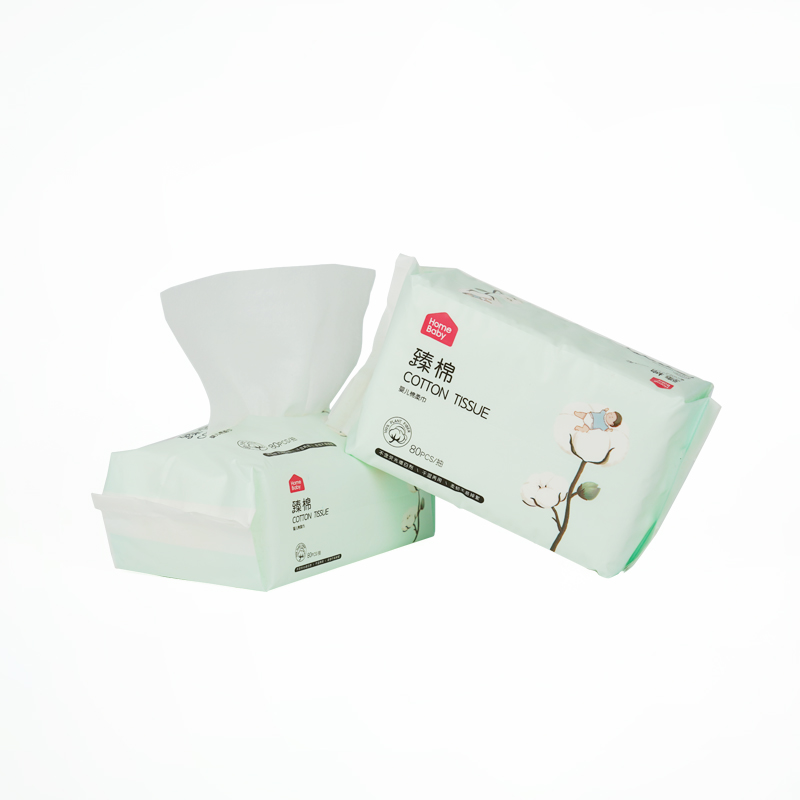
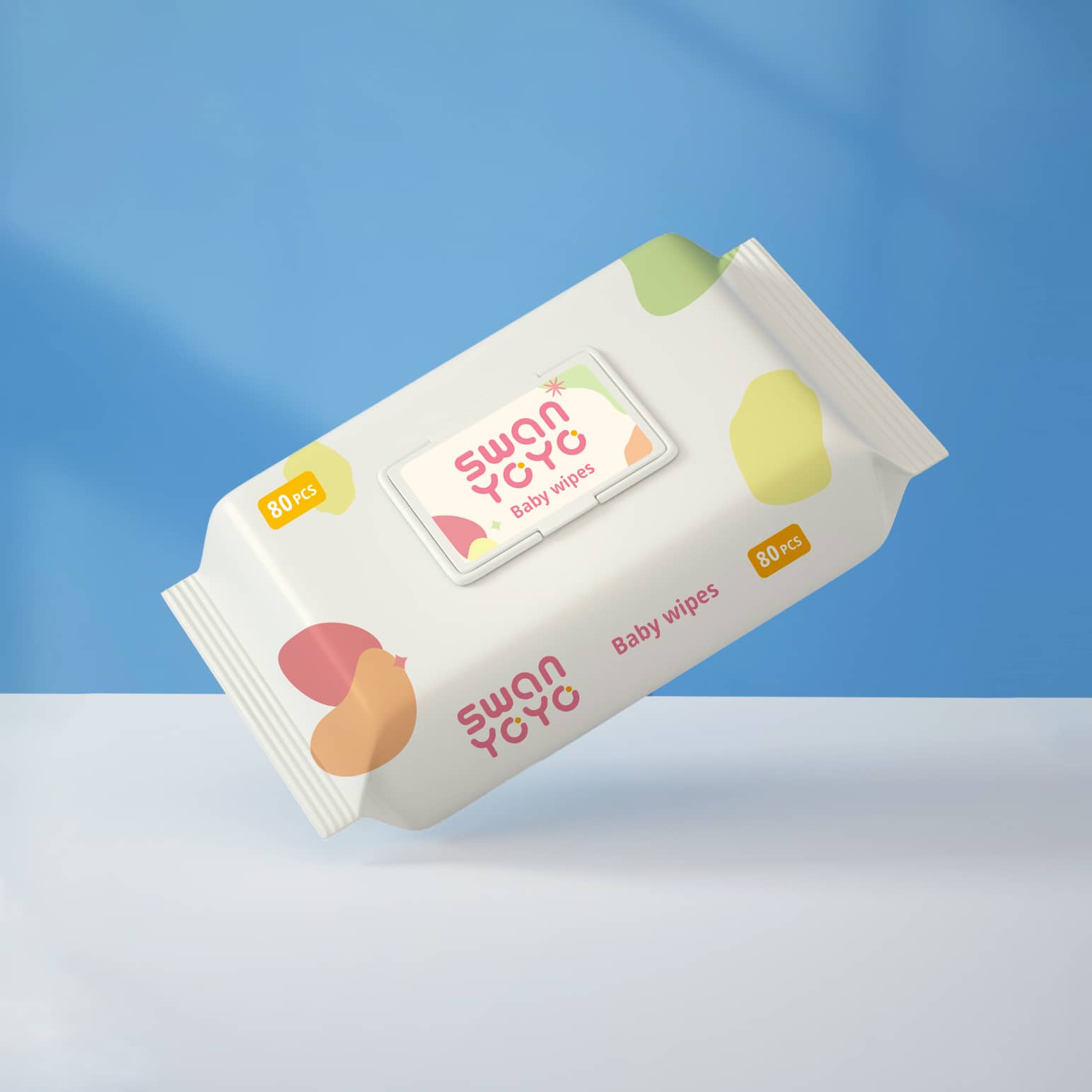
One type of baby wipe cannot fit every situation. Hand and face cleaning calls for odorless wipes safe for accidental oral contact. Household daily use works well with 80pcs packs. High-end baby care markets often prefer organic pure water wipes with minimal ingredient lists.
Matching wipe styles to your target scenarios helps reduce end-user complaints and improves satisfaction.
For Resellers & Brand Owners: Solve Sourcing Challenges for Baby Wet Wipes
Resellers and brand owners frequently struggle with inconsistent batch quality, limited product choices and rigid packaging. Customizable baby wet wipes can solve these sourcing pain points.
OEM and ODM services support adjustments to formula, fabric thickness, pack size and packaging design. The minimum order quantity is 30,000 packs. You can build product lines aligned with your market positioning and maintain steady long-term supply.
Reduce Risks Before Bulk Orders of Baby Wet Wipes
Inconsistent quality is the biggest concern when sourcing baby wet wipes. Products produced in dust-free workshops with multi-round safety testing meet international infant care standards.
Ordering samples before mass production lets you test fabric softness, wetness and formula performance. This simple step prevents expensive mistakes and ensures your baby wet wipes fit market requirements.

 Adresse
No. 274, Xiazhuang, Zhuangtian Village, Heshi Town, Luojiang District, Quanzhou City, Fujian Province
Adresse
No. 274, Xiazhuang, Zhuangtian Village, Heshi Town, Luojiang District, Quanzhou City, Fujian Province
 RÉSEAU PRIS EN CHARGE


 CONTACTEZ-NOUS
 October 09, 2025
 lire plus de nouvelles